As we get older, it’s easy to let movement slide down our list of priorities. Life happens, schedules get packed, knees get sore, and before we know it, we’re spending more time sitting than moving. But here’s the thing—movement is no longer just about staying in shape or fitting into a certain dress size. Movement is medicine, and for women over 50, it’s non-negotiable.
OUR BODIES ARE DESIGNED FOR MOVEMENT
Our bodies are designed to move, and if we don’t give our bodies what they need, we will experience the negative effects. This varies from weaker bones to cognitive decline.
The good news is that it doesn’t take hours at the gym or punishing workouts to reap the benefits.
In fact, THREE simple habits can make all the difference in how you feel, think, and function every single day.
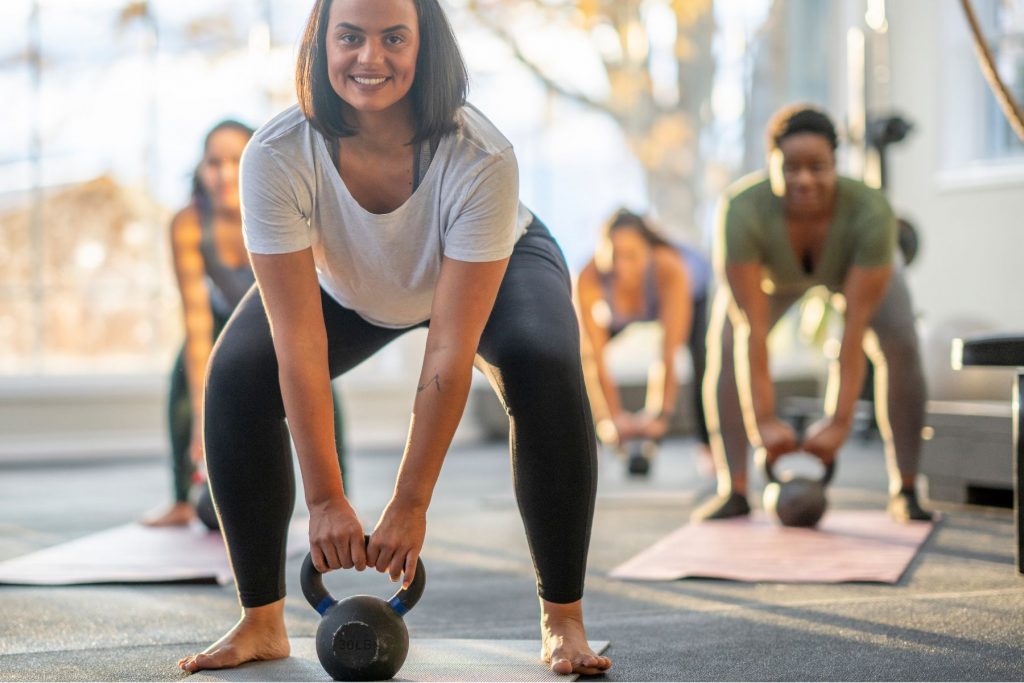
LIFE SOMETHING HEAVY THREE TIMES A WEEK FOR ABOUT 20 MINUTES
Lifting weights used to be the stuff of bodybuilders or gym buffs, but not anymore. For women over 50, strength training is one of the most powerful tools for staying youthful, strong, and independent.
Why?
Because after 30, we naturally lose muscle mass, and after menopause this accelerates. Less muscle means a slower metabolism, a higher risk of falls, and even a decline in cognitive function. (Don’t forget that getting enough protein also helps build muscle).
But lifting anything heavy—just 20 minutes, three times a week—helps combat this loss.
This could be hand weights you buy and use at home, machines or weights at the gym, or even a gallon of water with a handle is perfect at 8.3 pounds.
Strength training is important because your muscles are an endocrine organ, meaning they release hormones that play a critical role in metabolism, immune function, and even brain health. Studies show that lifting weights improves memory, sharpens focus, and may even help ward off dementia. Remember, a long lifespan is only good if you also have an equally long “healthspan.”
Be sure to pick a weight that is heavy enough to be challenging because the key is to challenge your muscles consistently. As a rule, your last rep (of 8 or 10) should be very difficult.
MOVE YOUR JOINTS THROUGH THEIR FULL RANGE OF MOTION
Think of your joints like a door hinge. You know that if that hinge doesn’t move regularly, it will start to stiffen, rust, and become harder to use.
Your joints work the same way.
When you don’t move them fully and frequently, they become stiff, tight, and painful. Over time, this can lead to mobility issues and discomfort that make daily activities, like reaching for a high shelf or bending down to tie your shoes, more difficult than they should be.
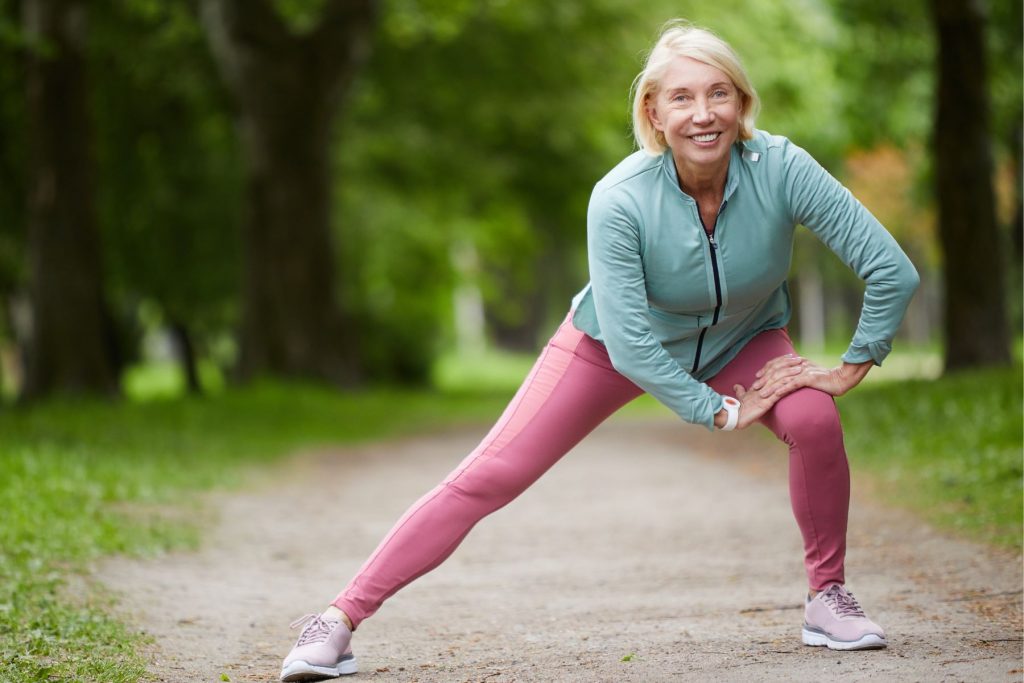
The solution? Moving those joints through their full range of motion however you choose to do it! It can be stretching, yoga, or any activity that encourages full range of motion. And it doesn’t have to be an intense hour-long session. Just a few minutes of mobility work each day can keep your joints happy.
Think about incorporating:
- Yoga to improve flexibility and balance
- Dynamic stretching before workouts
- Gentle stretching before bed
Keeping your joints lubricated and moving freely can help prevent stiffness, improve posture, and reduce aches and pains. It’s a small investment in time that pays off in a big way.
WALK OR MOVE EVERY DAY FOR ABOUT AN HOUR TOTAL (IT CAN BE IN SMALLER SEGMENTS!)
Think of a garden hose sitting for long periods without water flowing through it; it becomes stiff, brittle and possibly clogged.
The same goes for our blood vessels when we stop moving.
Our circulation slows, blood vessels stiffen, and our energy levels drop. Movement keeps everything flowing—blood, oxygen, and nutrients—to where they need to go.
Walking is one of the most underrated forms of exercise, but it’s also one of the most effective. An hour of walking (or any movement that gets that blood pumping) each day improves cardiovascular health, boosts mood, and supports brain function. It’s been linked to lower risks of heart disease, stroke, and even depression.
And remember that this can be two walks of 30 minutes or four small increments of 15 minutes each. However you fit it into your daily schedule is fine.
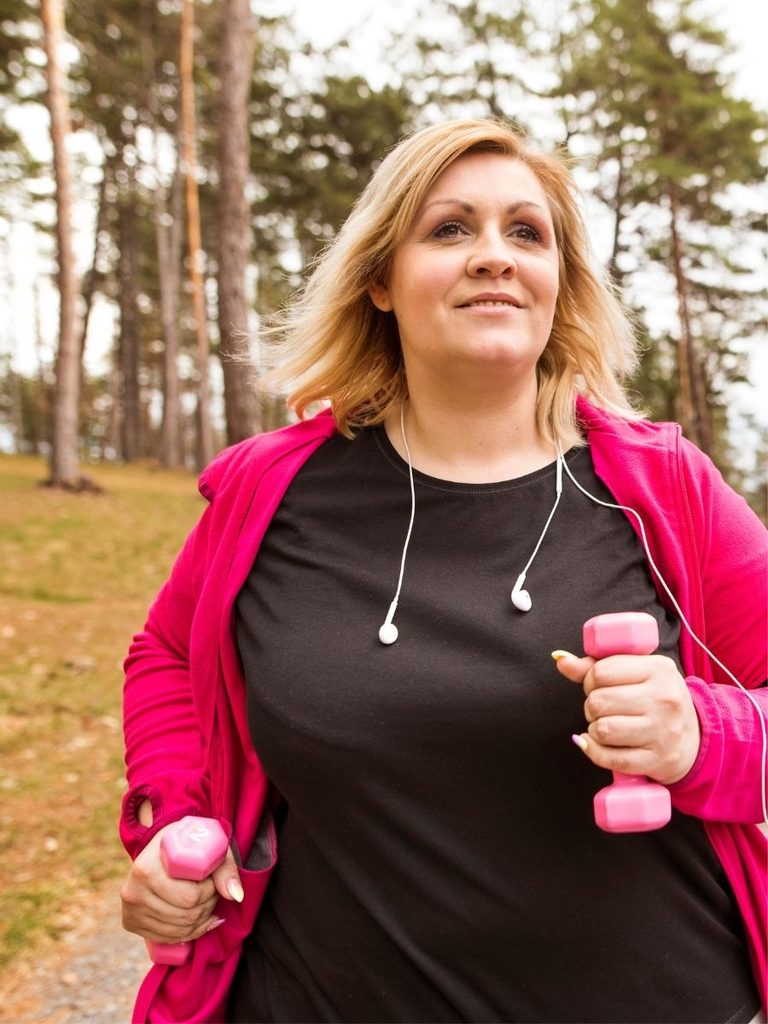
Not a fan of walking? No problem. Try dancing, swimming, cycling, or anything that keeps you moving. The goal is to stay active and make movement a natural part of your daily life. Take the stairs instead of the elevator, park farther away from the store, or have a walking phone call instead of sitting at your desk.
BONE DENSITY AND BRAIN HEALTH
Strong bones help keep us mobile and safe from falls or fractures. Have you had your bone density tested? If not, let this be your reminder to do so!
Strength training and weight-bearing exercises (like walking) help prevent osteoporosis, a condition that weakens bones and increases the risk of fractures. Post-menopausal women are particularly susceptible to bone weakness due to our lack of estrogen. Remember, strong muscles support strong bones, and both are essential for staying mobile and independent.
BRAIN HEALTH: KEEPING DEMENTIA FAR FAR AWAY!
Exercise isn’t just good for your body, it’s essential for your brain. Regular movement improves blood flow to the brain, reduces the risk of cognitive decline, and releases endorphins that boost mood and mental clarity.
TREATING YOUR BODY LIKE A LUXURY VEHICLE
Would you purchase a beautiful luxury vehicle, then leave it sitting in the garage for months without starting the engine? Without taking it out for a spin? Would you fill it up using sub-par gasoline?

I bet you wouldn’t!
Try seeing your body as this luxury vehicle and give it what it needs and deserves. Movement is not a luxury—it’s a necessity.
The great news? It’s never too late to start. Whether you’re already active or just beginning, the most important thing is consistency.
Today, lift something heavy, stretch your joints and walk like your future depends on it. Your future self will thank you!
-
The Gray Divorce: Why More Marriages Are Ending After 50
Happiness has no age limit, and beginning again after 50 may be the first step toward some of your happiest years. When you hear that a couple…
-
Menopause: The “What, Why & When” You Need To Know
Menopause is a significant milestone in women’s lives – a complex interplay of hormones, bodily systems, and emotions. It is time for us to know exactly what’s…
-
The Importance of Building Friendships Post-Divorce
I love the kind of friendship where a quick coffee somehow turns into three hours, six different conversations, and a very passionate discussion about what we should…
-
Divorced Women Are Happy! Research Has Proved It
For too long, divorced women have been handed the same tired storyline: sad, lonely, desperate, and presumably waiting for someone to choose them again. Apparently, someone forgot…
-
The 50/50 Asset Split: How It Works
If you live in a place where divorce law requires all assets to be split equally (not all do, so don’t assume this), here is a brief…
-
Dear Suddenly Single: He Promised Our Divorce Would Be Fair. He Lied.
Dear Suddenly Single, I have spent the last year discovering that the man I divorced is not the man I married. Or perhaps he is, and I’m…