50% of the world’s population and 100% of biological women will experience menopause. It’s time to learn more about this important stage of our lives.

Menopause is an entirely natural biological process that all women will experience. Starting in the mid to late 40s, it marks the end of menstruation and the end of a woman’s reproductive years. But there is so much more to know about this important topic.
Let’s dive in.
First, a crucial statistic: Most women will live as many years post-menopausal.
Fact #1: Menopause is an entirely natural process.
Menopause is one of many stages of a woman’s life cycle. It is a change, not a loss.
Yes, it marks the end of fertility and the cessation of menstrual periods. And perhaps, back in the 1500s, when life expectancy hovered around 40 and woman were birthing an average of 8 to 10 children, the ending of one’s reproductive years did mark a significant “ending”.
But today, a woman who is experiencing menopause has decades of exciting and productive years ahead of her. (Years to be enjoyed without periods, I should add).
So, let’s stop viewing menopause as an ‘ending’ and instead see it as the new beginning it is.

Fact #2: The negative symptoms of menopause can be mitigated.
Menopause and the resulting decreases in hormones (specifically, estrogen) can bring about a variety of symptoms, including hot flashes, night sweats, mood swings, and vaginal dryness. Left alone and untreated, these symptoms can definitely affect a woman’s quality of life negatively.
But by recognizing these symptoms and actively managing them, these negative effects can be lessened and, in some cases, reversed entirely.
Now is the time to take charge, ladies!
Fact #3: Menopause can negatively affect bone health but there are ways to fight back.
One concern of menopause is the potential loss of bone density which can lead to osteoporosis.
It is true that decreased estrogen levels can weaken bones and make them more susceptible to fractures. But you can mitigate this risk by ensuring that you are getting an adequate intake of calcium and vitamin D.
Also, exercise that involves weights is a great idea. You can stay on top of your bone health via regular bone density tests and medication from your healthcare provider.

Fact #4: Menopause can create risks to cardiovascular health so now is the time to focus on heart health.
Menopause can have a negative impact on cardiovascular health. Decreased estrogen levels may contribute to an increased risk of heart disease and high blood pressure.
For these reasons, it is important that pre- and post-menopausal women try their best to maintain a healthy lifestyle, which would include eating a balanced diet, incorporating daily movement, and managing stress levels.
Fact #5: Weight management gets hard-way harder than it used to be-but there are ways to control it.
Many women notice during menopause that gaining weight gets a lot easier, and losing it gets a lot harder.
To make matters worse, body composition also changes with more weight being held around the abdominal area. This increase in visceral fat (around the organs) is far more dangerous that subcutaneous fat (just below the skin) making it all the more important to tackle this issue head on.
New research is showing that maintaining a healthy weight post-menopause has as much to do with the foods you eat as the quantity of food you eat.
Many of us have lived a lifetime of ‘calories in, calories out’, and we could drop 10lbs on a diet of Snickers bars and popcorn. Post-menopause, what we eat matters much more than it ever did, with the Mediterranean diet now becoming our go-to.
After 50, it is all about protein, protein, protein. You should be aiming for just under one gram of protein per kilogram of body weight. For a 150 pound woman, this would be about 50 grams of protein, which may be far less than you are currently getting. Here is a post on protein and how to get your 50 grams.
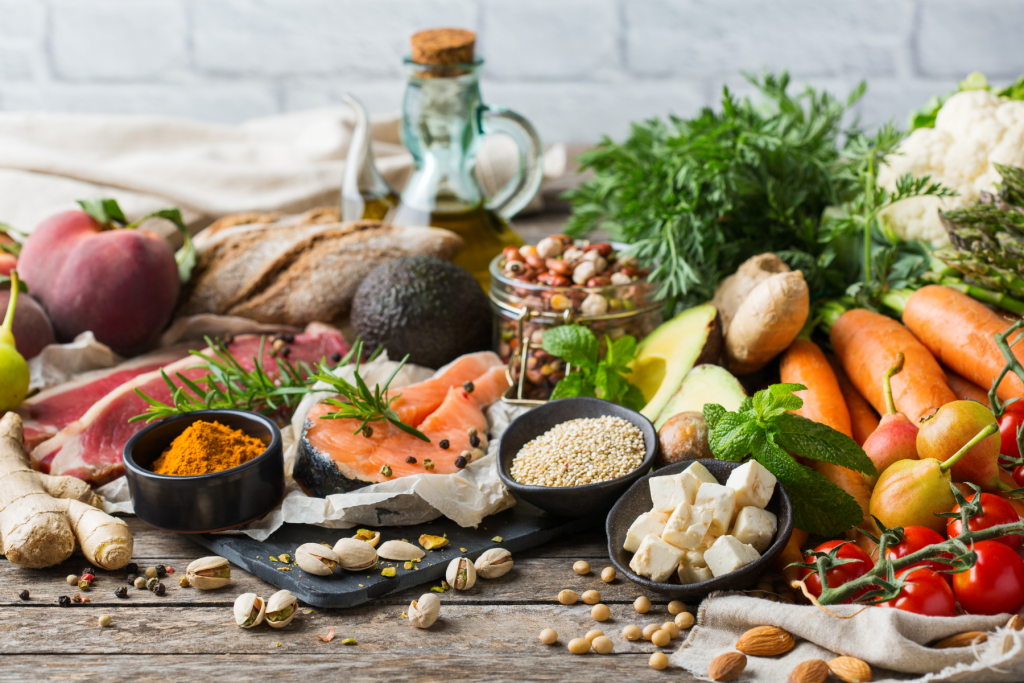
For those who are not familiar, the Mediterranean diet is also known for being positive for post-menopausal women, defined as a primarily plant-based diet that includes whole grains, olive oil, fruits, vegetables, beans and other legumes, nuts, herbs, and spices. Animal proteins are eaten in smaller quantities, with the preferred animal protein being fish and seafood. Small amounts of dairy, poultry and eggs are typical and red meat is eaten only once in a while.
THE MEDITERRANEAN DIET
Fact #6: Menopause affects us emotionally and psychologically, and that’s okay.
Menopause is often accompanied by emotional and psychological changes, including mood swings, anxiety, and depression. These are normal and should not be ignored or swept under the proverbial rug. Open communication with a healthcare provider and possibly doing some therapy or joining a support group can help.
As well, lifestyle changes such as maintaining a regular sleep schedule and reducing stress can also make a positive difference.
Fact #7: Menopause can have a negative impact on sexual health but your sex life is far from over.
Estrogen is a hormone that helps maintain the vagina’s lubrication, elasticity, and thickness. Therefore, it makes sense that low levels of estrogen will lead to drying and thinning or the vaginal walls. This drying can then lead to inflammation and discomfort, therefore is it any wonder why some women experience a decrease in libido during menopause.
By proactively addressing these issues, women can meet them head on and adopt the right treatment options. From moisturizers and lubricants to hormone therapy, there are options and all women should be aware of what is available to them.

Fact #8: Hormone therapy is a real option that should be considered to combat the negative effects of menopause.
Hormone therapy, which involves replacing the hormones that decline during menopause, can help alleviate many menopausal symptoms. Research has shown that the combination estrogen/progesterone replacement does carry increased risks of breast cancer, however estrogen only HRT comes with a decreased risk of breast cancer. All women should consider HRT and then make an informed decision based on their individual health and preferences.
Fact #9: Menopause is not the time to neglect your health.
Regular check-ups and making overall health a priority becomes increasingly important for women before and after menopause. Monitoring issues such as hormonal changes, bone density, cardiovascular health, and overall well-being means early interventions and effective treatments, which is what we all want.

Fact #10: Your lifestyle choices matter – the “what does it matter, its too late now” view on health could not be more wrong.
The chaos of perimenopause followed by the many discomforts of menopause can lead many of us to throw our hands up in the hair and say “F– it!”
Giving up can seem like the best option, but it isn’t.
Your lifestyle choices can and do play a significant role in mitigating the negative effects of menopause. Although it can feel at times like your efforts are futile, they are not.
By maintaining a balanced diet rich in fruits, vegetables, and whole grains, including regular physical activity and stress management in your life, and avoiding smoking and excessive alcohol consumption, you will get through the menopause transition much more smoothly. It really is worth it!