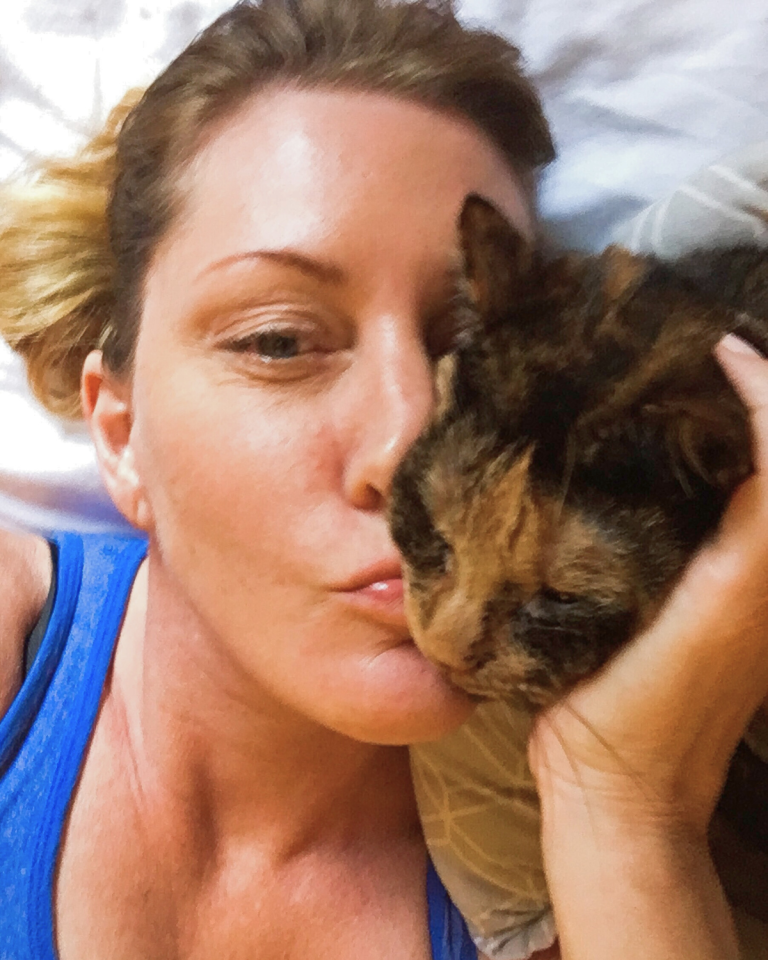
I love the kind of friendship where a quick coffee somehow turns into three hours, six different conversations, and a very passionate discussion about what we should order next. And those moments may be doing more for us than lifting our spirits.
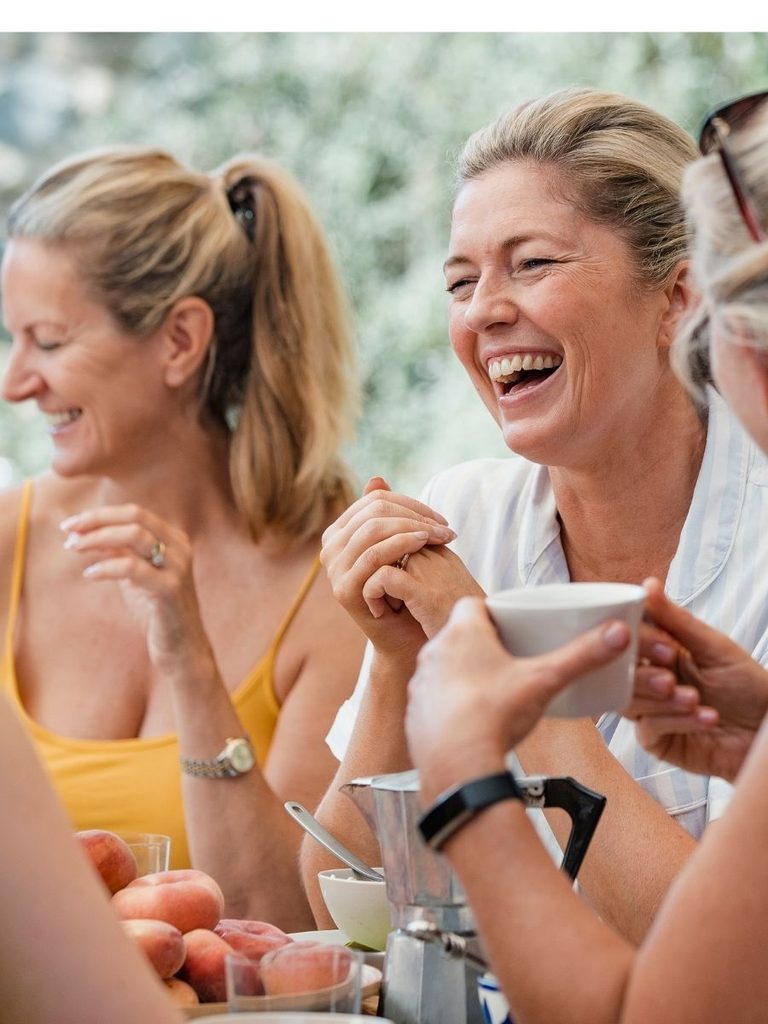
THE WONDERS OF FEMALE FRIENDSHIPS
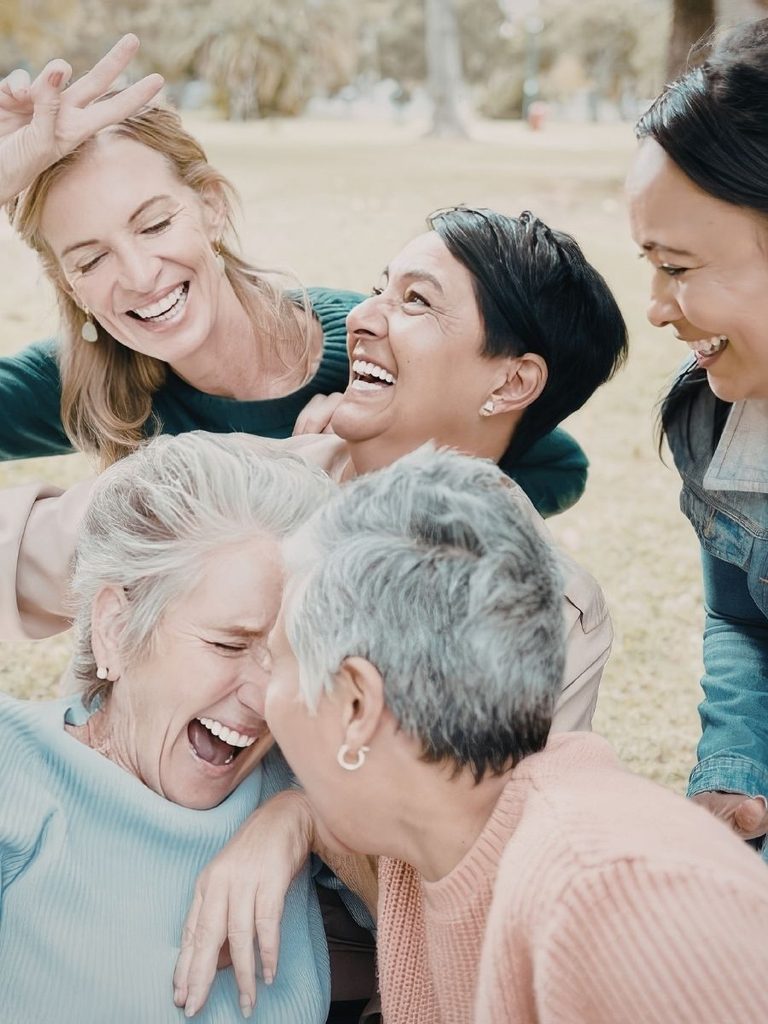
There is something wonderful about spending time with women who make you laugh, let you ramble, and understand what you mean before you have finished your sentence.
When I read that social connection is linked to a longer life in women, I immediately wanted to send the research to every group chat. Finally, a scientific reason to put that catch-up on the calendar!
PROVEN BY RESEARCH
A study published in The Journals of Gerontology followed more than 72,000 women for over twenty years. Researchers found that women with the highest levels of social integration had an estimated 10% longer lifespan and 41% higher odds of reaching age 85 than the most socially isolated women, after accounting for demographics and chronic diseases. The associations remained significant, although smaller, when lifestyle factors and depression were also considered.
Of course, that does not mean every girls’ night adds a guaranteed number of days to our lives. The study looked at associations, and social integration included partners, relatives, friends, and community activities. It was broader than female friendship alone.
Still, I find the message encouraging: making room for people belongs in the conversation about looking after ourselves.
MAKING FRIENDSHIPS YOUR PRIORITY
I often think about health in terms of what I eat, how much I move, and whether I am getting enough sleep. Friendship can feel like something I squeeze in once everything else is finished. But everything else has a sneaky habit of never being finished.
There is always another deadline. Another load of laundry. Another reason to say, “Let’s do something soon,” without actually choosing a day.
Reading this research makes me want to take that familiar sentence a little more seriously.
The possible benefits are wonderfully ordinary. Our social networks can encourage healthier habits, help us follow medical advice, and provide practical support, including a ride to an appointment. Harvard’s discussion of the study also points to possible connections with depression, inflammation, and blood pressure.
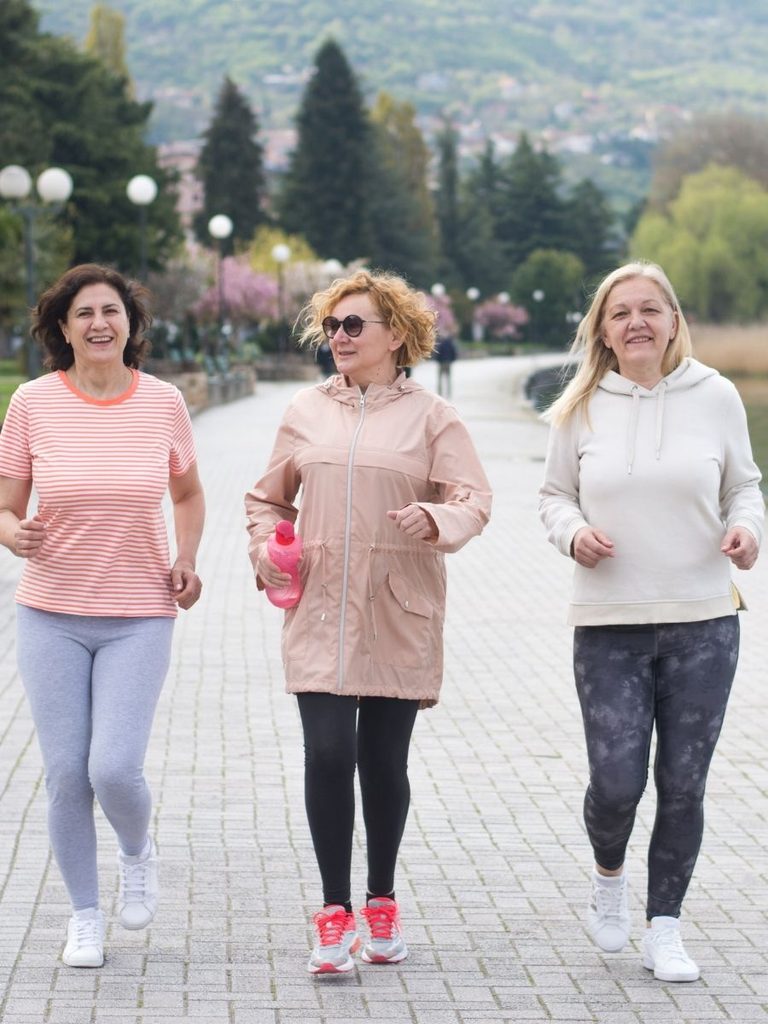
I can picture how that support works: a friend suggesting a walk, checking whether I booked the appointment I keep postponing, or bringing dinner when life feels overwhelming. Sometimes care looks like a heartfelt conversation. Sometimes it looks like someone arriving with soup and refusing to let you wash the container.
That is the kind of friendship I want to nurture.
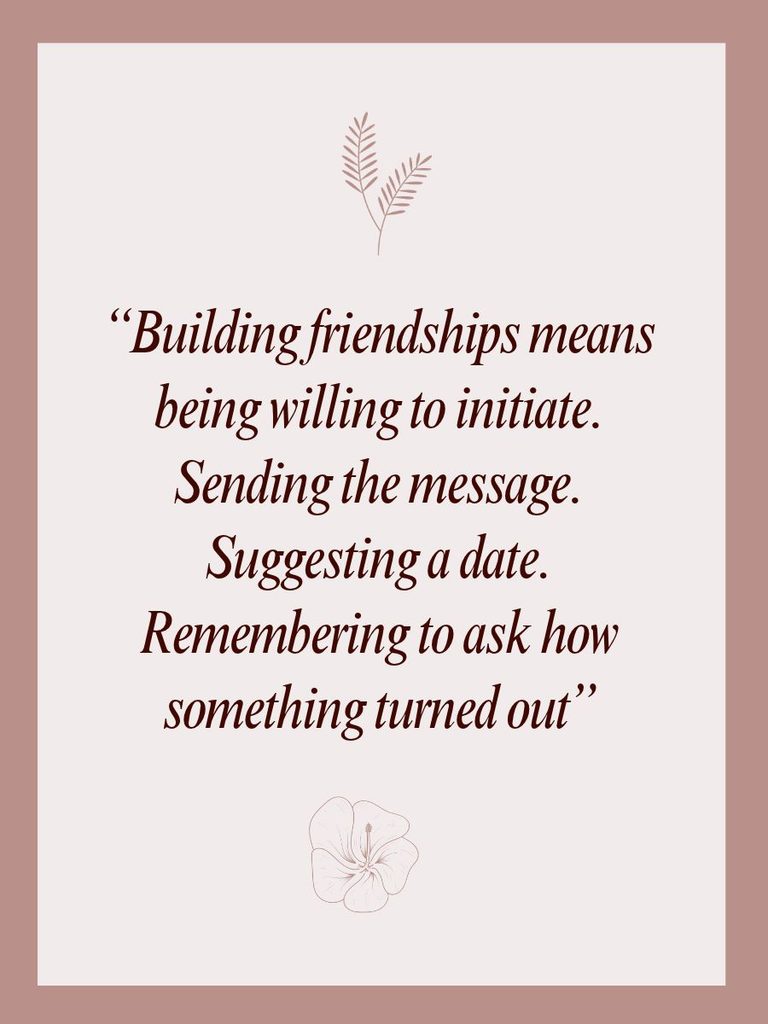
For me, building friendships means being willing to initiate. Sending the message. Suggesting a date. Remembering to ask how something turned out. It also means letting people support me, which can be surprisingly difficult when I would rather insist that I have everything handled.
I want to leave more room for imperfect plans, too. A short walk counts. Tea in a messy kitchen counts. A phone call while folding laundry absolutely counts. We do not need matching schedules, elaborate outings, or a restaurant reservation booked three weeks ahead to stay close.
And if I want new friendships, I have to make space for those beginnings: the slightly awkward introduction, the invitation, the second conversation.
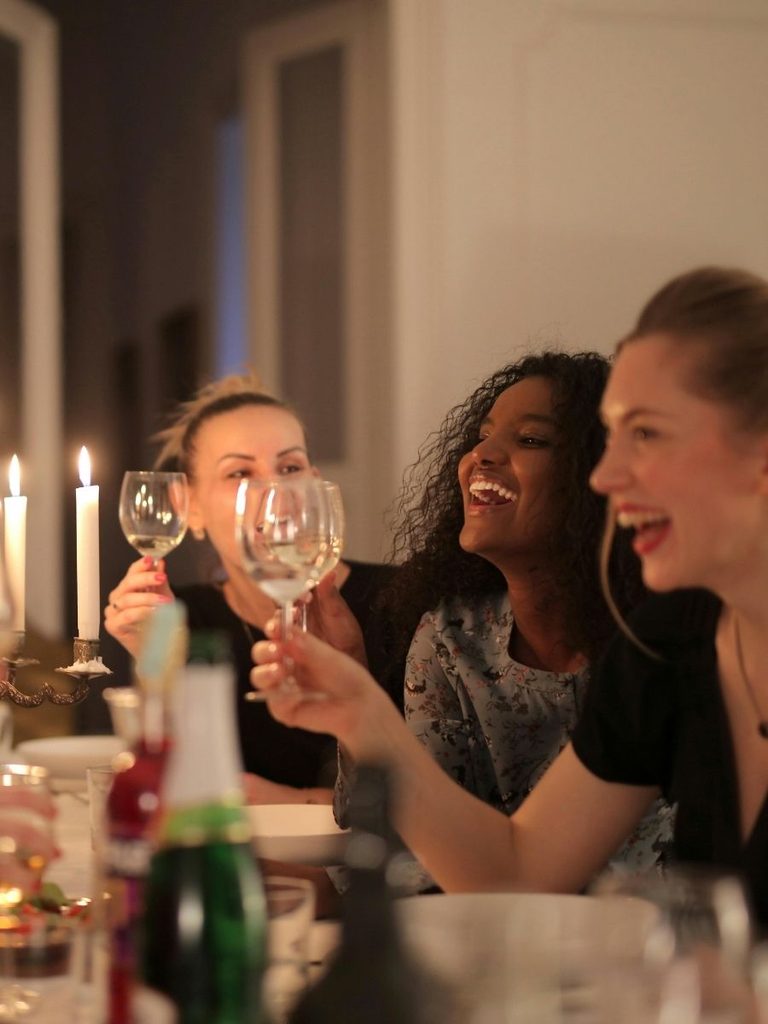
I hope my future includes plenty of women around a table, laughing so hard that someone has to put down their drink. Whether we are twenty-five or eighty-five, I want us to keep showing up for one another.
So I am taking friendship off my “when I have time” list. I am sending that text and making that plan. There is always room for another chair at my table.